Core Puzzle Loop
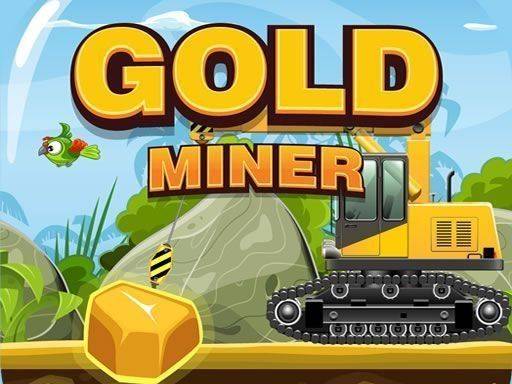
Players control a mechanical claw that reaches down to pick up colorful jewels scattered across each board. The challenge lies in timing the claw's descent and positioning it precisely to snatch the most valuable items while steering clear of harmful objects. Each successful grab adds points, but a single collision with a hazard costs a life. This simple risk-reward system keeps each attempt tense and requires careful observation before every move.
Level Design Variety
Every stage presents a fresh arrangement of jewels and obstacles, ensuring that no two puzzles feel the same. Some layouts place valuable gems in tight clusters near dangers, while others spread them across wide areas, forcing players to prioritize which items to collect first. The increasing complexity of these configurations gently raises the difficulty, allowing younger players to build confidence before tackling more intricate setups.
Visual Style and Accessibility
The game uses bright, cheerful colors and simple shapes that appeal to children without being distracting. Icons and buttons are large and clearly labeled, making navigation straightforward even for pre-readers. The claw moves smoothly in response to touch or mouse input, providing immediate feedback that helps young players understand cause and effect. This clean visual design supports focused play without overwhelming the senses.
Family-Friendly Design Philosophy
Developers have intentionally avoided any content that could be considered inappropriate, making this a safe choice for shared play. The game encourages patience and planning rather than speed, which naturally leads to calm, cooperative sessions where parents can discuss strategies with their children. There are no timers or pressure to rush, so players of different skill levels can enjoy the same puzzles at their own pace.
Skill Development Through Play
While the primary goal is collecting jewels, the real benefit comes from the cognitive skills practiced along the way. Players must assess spatial relationships, predict the claw's trajectory, and decide the optimal order of collection. These actions strengthen hand-eye coordination, logical sequencing, and impulse control. The game frames these challenges as fun puzzles rather than drills, so learning feels natural and rewarding.
Compatibility
💻 Desktop | 📱 Mobile | 📟 Tablet
– All supported · Best with Chrome or Safari