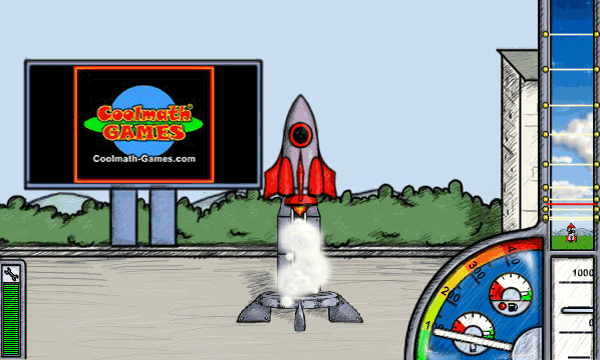
Core Flight Mechanics
Players control a rocket ascending from Earth's surface toward the moon. The primary action involves tapping or clicking to launch and then adjusting the rocket's angle and speed during flight. These adjustments directly affect how high the rocket travels before returning to the ground. The game rewards careful timing and gentle steering rather than rapid inputs, making it accessible to younger players while still offering depth for those who want to optimize their trajectory.
Point System & Resource Allocation
After each flight, the game calculates a score based on the maximum altitude reached. These points serve as currency in the upgrade shop. Players must decide how to spend their earnings on improvements such as enhanced engines, larger fuel reserves, or more aerodynamic wings. Each upgrade increases the rocket's potential altitude, but the cost varies. Some upgrades provide a bigger performance boost for the same price, so choosing wisely becomes a key part of the experience.
Strategic Decision Making
The challenge lies in balancing immediate gains against long-term progress. A player might invest in a cheap fuel tank upgrade that adds only a small altitude increase, or save up for an expensive engine that doubles flight height. This decision-making process teaches basic resource management and planning. Over multiple attempts, players learn which combinations work best for their play style, gradually pushing the rocket higher with each session.
Progressive Difficulty & Reward
Early flights are short and yield few points, but as upgrades accumulate, the rocket climbs higher and the point rewards grow. The game does not penalize failure; each attempt provides valuable feedback about what works and what does not. This gentle learning curve encourages repeated play without frustration. The ultimate goal of reaching the moon feels achievable through steady improvement rather than luck, giving a strong sense of accomplishment when the milestone is finally reached.
Compatibility
• OS: Windows 10+, macOS 11+, iOS 14+, Android 10+
• Browsers: Chrome 100+, Safari 15+, Edge 100+, Firefox 100+
• Not compatible with Internet Explorer
Tested on real devices ✅ works as expected