Core Puzzle Concept
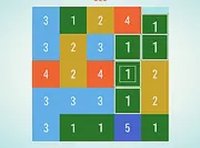
Sum to Ten presents a straightforward objective: combine numbered squares on screen to form the value 10. Players drag one block onto another to merge them, with the result determined by the operation displayed on the blocks. This simple rule set creates surprisingly complex puzzles as the available numbers and operations change from level to level. The game avoids time pressure, allowing users to think through each move at their own pace.
Arithmetic Operations in Play
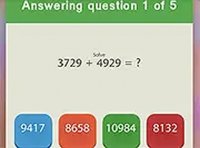
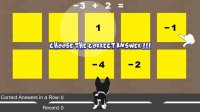
The game incorporates four standard arithmetic operations: addition, subtraction, multiplication, and division. Each block may carry a number or an operation symbol, and merging two blocks applies that operation to their values. This variety ensures that players must consider not just which numbers to combine, but also how the operation affects the outcome. Some puzzles may require using multiple operations in sequence to reach the target.
Level Progression and Difficulty
As players advance, the puzzles become more intricate. Early levels might involve simple addition of two blocks, while later stages require combining several blocks through a chain of operations. The difficulty curve is gradual, introducing new challenges without overwhelming the player. Each level is unique, with different starting numbers and operation sets, so no two puzzles feel exactly the same.
Design for All Ages
Sum to Ten is designed to be accessible to children and adults alike. The drag-and-drop controls are intuitive, and the visual interface is clean and uncluttered. The game focuses purely on arithmetic logic, making it suitable for family play. It serves as a gentle way to practice mental math skills or simply enjoy a quiet puzzle session. The lack of timers or penalties encourages experimentation and learning from mistakes.
Strategic Thinking Required
While the goal is always to reach 10, there are often multiple paths to the solution. Players must look ahead and consider the order of operations, as merging blocks in different sequences can lead to different results. This element of planning makes each puzzle a small logic exercise. The game rewards careful observation and creative problem-solving, as the best move is not always obvious at first glance.
Compatibility
This H5 game runs smoothly on:
• Desktop computers (Windows / Mac) • Mobile phones (iPhone / Android)
• Tablets (iPad / Android)
🌐 Best experienced with Chrome, Safari, or Edge