Core Gameplay Loop
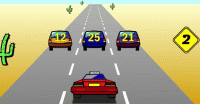
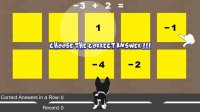
In Arithmetic Speedway Challenge, each race begins with your bike positioned on a straight track. A math problem appears on screen, and you must select the correct answer from several options. Choosing correctly gives your bike a burst of speed, moving you closer to the finish line. An incorrect choice reduces your momentum, allowing opponents to gain ground. This cycle repeats throughout the race, with new problems appearing after each answer. The faster you solve, the more consistently you maintain speed.
Math Problem Variety
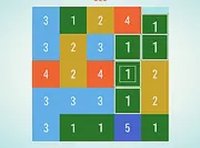
The game covers four fundamental arithmetic operations: addition, subtraction, multiplication, and division. Problems range from simple single-digit calculations to more complex multi-step equations. This variety ensures that players of different skill levels find appropriate challenges. The mix of operation types also prevents the experience from becoming repetitive, as each problem requires a different mental approach.
Visual Design and Atmosphere
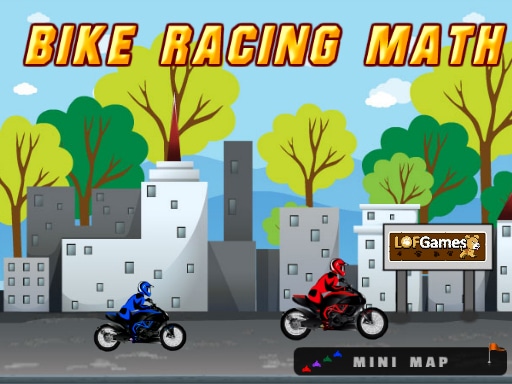
The game uses bright, colorful graphics with a cartoon-like style. Tracks feature simple backgrounds with clear lane markings, making it easy to focus on the math problems. The bike and opponent vehicles are designed to be friendly and non-threatening. Animations are smooth but not distracting, keeping attention on the arithmetic tasks. The overall visual presentation supports a positive learning environment.
Progression and Difficulty
As players advance, the math problems become more difficult. Early races may focus on addition and subtraction with small numbers, while later stages introduce larger numbers and all four operations. The game may also adjust the speed of the race or the frequency of problems to maintain engagement. This gradual increase in challenge helps build confidence and skill over time.
Controls and Accessibility
Controls are straightforward: players use a mouse or touch screen to tap the correct answer. No complex button combinations or timing mechanics are required. This simplicity makes the game accessible to young children and adults alike. The interface is designed with large, clearly labeled buttons to minimize errors and frustration.
Competitive Elements
While the primary focus is on math practice, the racing format introduces a light competitive element. Opponent bikes move at a steady pace, and your performance directly affects your position. This creates a natural incentive to answer quickly and accurately. The competitive aspect adds excitement without overwhelming the educational purpose.
Compatibility
This H5 game runs smoothly on:
• Desktop computers (Windows / Mac) • Mobile phones (iPhone / Android)
• Tablets (iPad / Android)
🌐 Best experienced with Chrome, Safari, or Edge